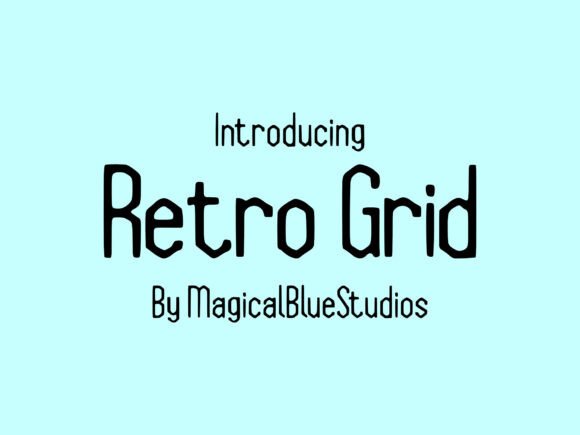
Retro Grid: A Bold, Nostalgic Typeface for Modern Creators
Whether you're designing a poster for a local event, creating a logo for your startup, or adding flair to a digital project, Retro Grid offers a unique blend of retro and futuristic design. This typeface, inspired by 80s gaming and neon grids, brings a bold, geometric style that feels both familiar and fresh. It’s not just a font—it's a tool that can elevate your creative work in unexpected ways.
For many designers, the challenge lies in finding a typeface that feels authentic but still stands out. Retro Grid fills that gap by combining the visual language of the past with the clarity and versatility needed for today’s projects. Its clean lines and structured layout make it easy to read while its stylized elements add a sense of energy and nostalgia.
Where and When to Use Retro Grid
Imagine you're working on a music album cover for an indie band that wants to capture the essence of 80s synthwave. Retro Grid could be the perfect match. Its sharp edges and glowing effects evoke the look of old video game screens, making it ideal for anything that needs a retro vibe without feeling outdated.
Or maybe you're a small business owner looking to create a logo that stands out. Retro Grid’s boldness ensures your brand name is instantly recognizable, while its vintage-inspired design adds character. Whether you’re launching a coffee shop, a tech startup, or a boutique, this typeface can help your brand feel more memorable and distinctive.
For educators or content creators, Retro Grid can also be a useful tool. If you're designing a presentation or infographic about technology trends, using a typeface that nods to early digital culture can make your content more engaging. It’s a subtle way to connect with your audience on a nostalgic level without being overly gimmicky.
Real-World Applications for Different Users
Freelancers and entrepreneurs often need to balance creativity with practicality. Retro Grid gives them a versatile option that works across multiple formats. For example, a graphic designer might use it for social media posts, website headers, or even packaging designs. Its compatibility with tools like Cricut and Silhouette means it can be used for physical projects too, such as custom t-shirts or signage.
Students and hobbyists can also benefit from Retro Grid. If you're working on a school project or a personal art piece, this typeface can add a professional touch without requiring advanced design skills. It’s a great way to experiment with typography and see how different styles can influence the overall look of your work.
Marketers and advertisers might find Retro Grid useful for campaigns targeting younger audiences. The 80s aesthetic is making a comeback in pop culture, and using a typeface that reflects that trend can help your message resonate more deeply. Whether it's for a print ad, a digital banner, or a promotional flyer, Retro Grid can help your content feel more dynamic and relevant.
Considerations Before Using Retro Grid
Before jumping into a project with Retro Grid, it’s important to think about the context. While it’s visually striking, it may not be suitable for every situation. For instance, if you're designing something that requires a more traditional or minimalist look, Retro Grid could feel out of place. Always consider the tone and purpose of your work before choosing a typeface.
Another thing to keep in mind is readability. Although Retro Grid is designed to be legible, it’s best used in larger sizes or for short text blocks. If you’re planning to use it for body text in a long document or website, you might want to pair it with a more standard font for better readability.
Finally, make sure you have the right licensing for your intended use. Depending on where you plan to use Retro Grid—whether it's for personal, commercial, or educational purposes—you’ll need to check the terms of use to avoid any legal issues down the line.
How Retro Grid Can Enhance Your Work
Using Retro Grid isn’t just about aesthetics; it’s about creating a stronger connection with your audience. When people see a design that evokes a sense of nostalgia, they often feel a deeper emotional response. This can be especially powerful in branding, where building trust and recognition is key.
For example, a café owner who uses Retro Grid for their menu and signage might attract customers who are drawn to the retro vibe. It creates a cohesive theme that makes the space feel more inviting and memorable. Similarly, a tech company using Retro Grid in their marketing materials could position themselves as innovative yet grounded in tradition.
The versatility of Retro Grid also means it can adapt to different industries and styles. Whether you're working on a high-energy campaign, a quiet and thoughtful project, or something in between, this typeface can help you express your vision more effectively.
Final Thoughts on Retro Grid
Retro Grid isn’t just a typeface—it’s a creative choice that can bring a new dimension to your work. From posters and logos to digital projects and educational materials, it offers a unique way to blend the past with the present. By understanding how and when to use it, you can unlock its full potential and create designs that stand out in a crowded market.
Whether you're a seasoned designer or just starting out, Retro Grid provides a valuable tool for expressing your ideas with style and substance. It’s a reminder that sometimes, the best designs aren’t just about looking good—they’re about telling a story that resonates with people.