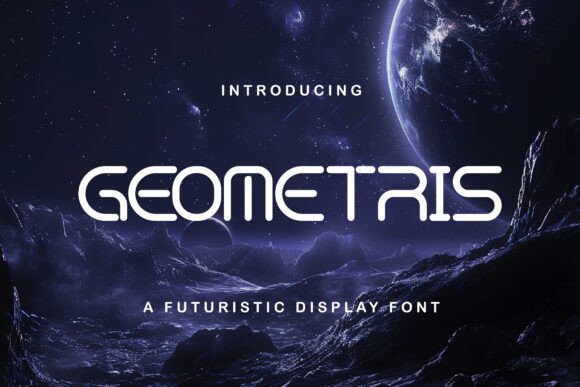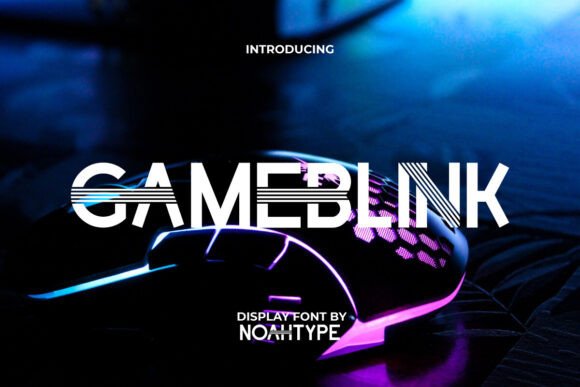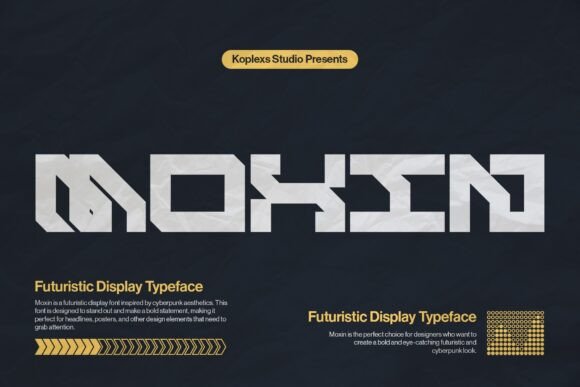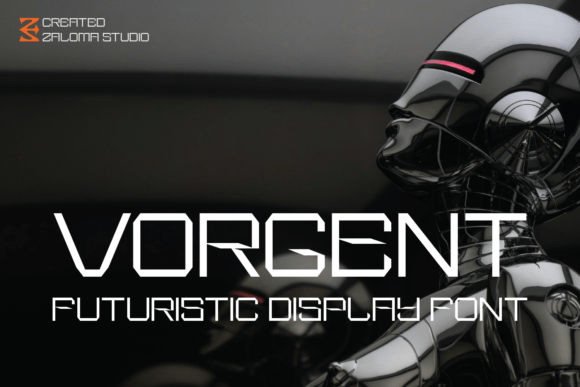
Attractive: A Futuristic Font Redefining Modern Design
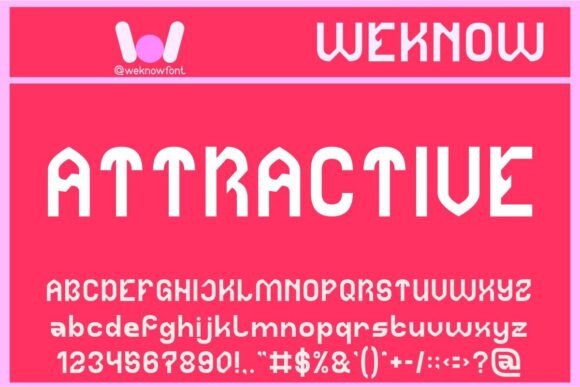
In the ever-evolving world of design, typography plays a crucial role in shaping visual identity and conveying messages effectively. Among the many fonts available, Attractive stands out as a unique option that blends technological innovation with aesthetic appeal. This techno-sci-fi display font is more than just a typeface—it’s a statement. Designed for those who want to make an impact, Attractive offers a bold and futuristic look that can elevate any project, from logos to headlines.
What sets Attractive apart is its ability to merge the spirit of artificial intelligence and robotics with a clean, modern aesthetic. The font’s sharp lines and dynamic curves reflect the energy of the future, making it ideal for creative professionals looking to stand out in a competitive market. Whether used in branding, advertising, or digital media, Attractive brings a sense of power and sophistication that resonates with contemporary audiences.
Understanding Attractive: Features and Characteristics
Attractive is a display font, meaning it's best suited for large-scale use such as headings, titles, and logos rather than body text. Its design is heavily influenced by sci-fi and tech themes, which gives it a distinctive edge over more traditional fonts. The font features a strong, geometric structure with subtle variations that add visual interest without overwhelming the viewer.
One of the key characteristics of Attractive is its versatility. While it has a clear futuristic theme, it can be adapted to various design contexts depending on how it’s used. For instance, it can work well in high-energy environments like gaming or music, where a bold and eye-catching style is needed. It also holds up in more refined settings, such as corporate branding or editorial design, where a balance between innovation and professionalism is required.
The font’s legibility is another important factor. Despite its stylized appearance, Attractive maintains a level of readability that makes it suitable for a wide range of applications. However, it’s important to note that its effectiveness may depend on the size and context in which it’s used. In smaller sizes, some of the finer details may become less distinct, so it’s best to test it in different formats before finalizing a design.
Comparing Attractive to Similar Fonts
When evaluating Attractive, it’s helpful to compare it to other fonts that share similar traits. Display fonts like Orbitron, Exo 2, and Bebas Neue are often used for similar purposes, such as creating a modern or futuristic look. Each of these fonts has its own strengths and limitations, and understanding these differences can help designers choose the most appropriate option for their needs.
Orbitron, for example, is known for its clean, angular style and is frequently used in tech-related projects. While it shares some similarities with Attractive, it lacks the same level of variation and complexity. Exo 2, on the other hand, is more versatile and can be used in both digital and print formats. However, it doesn’t carry the same high-energy feel that Attractive does.
Bebas Neue is another popular choice for bold, minimalist designs. It’s highly readable and works well in a variety of contexts, but it tends to be more neutral in tone compared to Attractive. For designers looking to create a stronger visual impact, Attractive may offer a more dynamic alternative.
It’s also worth considering how Attractive fits into broader typographic trends. In recent years, there has been a growing interest in fonts that blend retro-futurism with modern design principles. Attractive aligns with this trend by incorporating elements of classic sci-fi aesthetics while maintaining a contemporary feel.
Best Use Cases for Attractive
Given its bold and futuristic design, Attractive is particularly well-suited for projects that require a strong visual presence. One of the most common applications is in branding, where it can be used to create memorable logos and taglines. Its striking appearance helps businesses stand out in crowded markets, making it a valuable tool for companies looking to establish a distinctive identity.
In the realm of digital media, Attractive can be used to enhance the visual appeal of websites, social media profiles, and video content. Its dynamic look is especially effective in platforms like YouTube and Instagram, where attention-grabbing visuals are essential. When paired with other design elements, such as vibrant colors or abstract graphics, Attractive can help create a cohesive and engaging user experience.
Another area where Attractive shines is in the entertainment industry. From movie posters to comic book covers, the font can add a sense of excitement and energy to visual storytelling. Its futuristic vibe makes it a natural fit for sci-fi themes, but it can also be used in more general contexts to convey a sense of innovation and progress.
For print media, Attractive works well in magazines, books, and other publications that aim to capture the imagination of readers. Its bold strokes and geometric shapes can add a sense of movement and depth, making it ideal for cover designs or section headers. However, as with any display font, it should be used sparingly to avoid overwhelming the reader.
Tradeoffs and Limitations of Attractive
While Attractive offers many advantages, it’s not without its limitations. One of the main tradeoffs is its suitability for different types of projects. Because it’s a display font, it may not be the best choice for long-form text or body copy. In such cases, a more traditional sans-serif or serif font might be more appropriate.
Another consideration is the font’s compatibility with different design software and platforms. While Attractive is widely supported, users should ensure that it’s properly licensed and compatible with their preferred tools. Some design programs may have restrictions on the use of certain fonts, so it’s important to check these details before integrating Attractive into a project.
Additionally, the font’s bold and stylized appearance may not be suitable for all audiences. In more conservative or professional settings, a simpler and more understated font might be preferred. Designers should consider the target audience and the overall tone of the project when deciding whether to use Attractive.
When Attractive Is the Right Choice
Attractive is an excellent choice for designers who want to create a strong visual impact and convey a sense of innovation. It’s particularly well-suited for projects that require a futuristic or high-tech aesthetic, such as branding for tech startups, entertainment content, or digital marketing campaigns.
If a designer is looking to differentiate their work from others in a competitive field, Attractive can provide a unique and memorable solution. Its bold strokes and dynamic shape make it ideal for headlines, logos, and other prominent design elements that need to capture attention quickly.
For creative professionals working in industries like gaming, music, or animation, Attractive can help reinforce the thematic elements of a project. Its association with technology and futurism makes it a powerful tool for designers who want to evoke a sense of progress and possibility.
When to Consider Alternatives
While Attractive has many strengths, there are situations where other fonts may be more appropriate. For example, if a project requires a more subdued or traditional look, a simpler font might be a better fit. Similarly, if the goal is to create a clean and minimal design, a more restrained typeface could achieve the desired effect without the need for a bold, stylized font.
Designers should also consider the specific requirements of their project when choosing a font. If the design involves a lot of text, a more readable and versatile font may be necessary. In such cases, alternatives like Roboto, Lato, or Open Sans could be more suitable.
Ultimately, the decision to use Attractive depends on the goals of the project and the preferences of the designer. By understanding its strengths and limitations, professionals can make informed choices that align with their creative vision and practical needs.